
When disaster strikes, the first 72 hours are critical. These initial days often determine outcomes before official help arrives, which is why having a well-prepared 72-hour emergency kit is essential for every family.
If you’re starting from scratch, focus on these key priorities:
1. Water – Your Top Priority
The human body can survive weeks without food but only days without water. The Federal Emergency Management Agency (FEMA) recommends one gallon of water per person per day for drinking and sanitation.1 For a family of four over three days, that’s 12 gallons total – which is heavy and bulky.
Practical solution: Store what you can carry, and supplement with:
- Water purification tablets
- Portable water filter (or larger water bag)
- Collapsible water containers you can fill if you have warning
2. Nutrient-Dense, Ready-to-Eat Food
Choose foods that:
- Require no refrigeration, preparation, or cooking
- Have long shelf lives (check expiration dates regularly)
- Provide energy and nutrition in compact form
The American Red Cross suggests a three-day supply of non-perishable food items per person.2 Consider pre-packaged emergency food bars, which are specifically designed to be compact while providing necessary calories.
Check out our Prepare with Purpose three-day meal in a bag plan for emergencies menu: https://preparewithpurpose.com/meal-in-a-bag-plan-for-emergencies/
3. Shelter and Warmth
Exposure to elements can quickly become life-threatening. Your kit should include:
- Emergency blankets (Mylar “space blankets” are lightweight and effective)
- Poncho or emergency shelter
- Weather-appropriate extra clothing
- Hand warmers for cold climates or Sun Protection for hot climates
4. First Aid and Medications
A basic first aid kit is essential, but don’t forget:
- Personal prescription medications (rotate regularly to keep fresh)
- Over-the-counter pain relievers, allergy medications, and antinausea or antidiarrhea meds
- First aid manual or quick-reference guide
- Bleedstop can also be useful
5. Practical Tools and Communication
- Multi-purpose tool OR basic tools kit
- Battery-powered or hand-crank radio with NOAA weather station capability
- LED flashlight + extra batteries
- Power bank/portable charger for cell phones
- Emergency whistle, small notebook, and pencils
- Local paper maps
The Right Container Matters
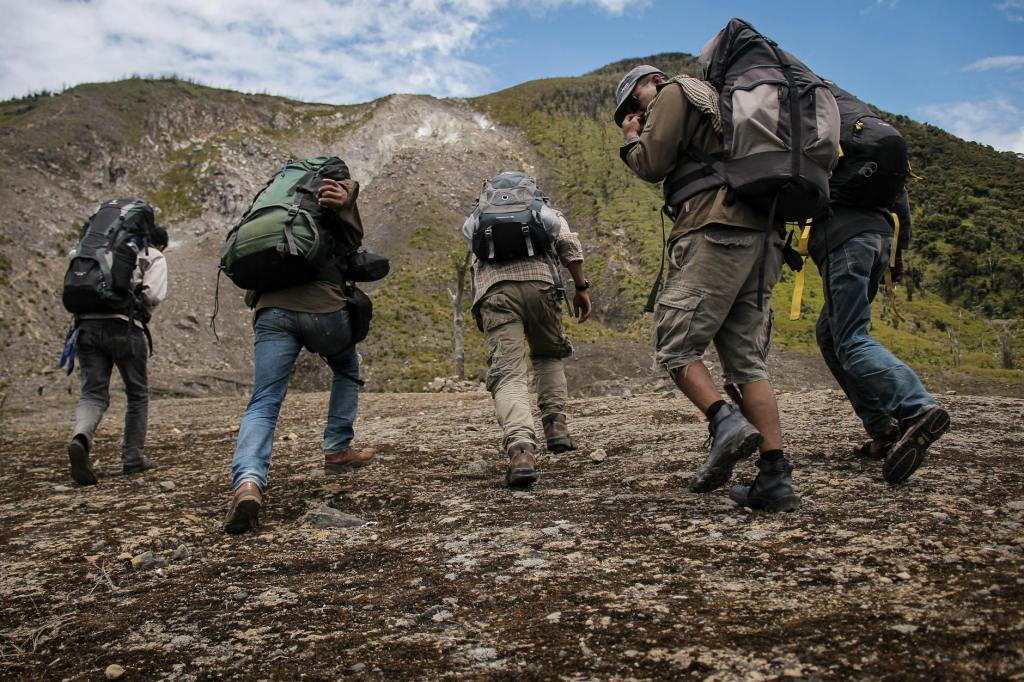
All these supplies need to be portable. Choose a sturdy backpack that’s comfortable to wear and waterproof or water-resistant. The size should be proportionate to your body and strength – typically 30-45 liters for an adult’s kit.3
Beyond the Basics: Documentation
Keep copies of important documents in a waterproof container:
- Identification
- Insurance information
- Medical information
- Emergency contact list
- Cash in small denominations
Build Your Kit Gradually
Creating a comprehensive emergency kit doesn’t have to happen all at once. Consider a weekly purchasing plan where you add 1-2 items each week until your kit is complete. This approach makes the process more affordable and less overwhelming.
Prepare with Purpose has created a budget friendly weekly challenge to help you put your 72-hour kit together gradually and within budget: https://preparewithpurpose.com/72-hour-emergency-kit/
Final Thoughts
Remember that emergency preparedness isn’t a one-time event – it’s an ongoing process. Check your kit every six months to replace expired items, update documents, and adjust supplies based on changing family needs.
By focusing on these essential areas, you’ll create a practical 72-hour kit that provides real protection when you need it most.
References:
[1] Federal Emergency Management Agency. (2023). “Build A Kit.” Ready.gov. https://www.ready.gov/kit
[2] American Red Cross. (2023). “Survival Kit Supplies.” RedCross.org. https://www.redcross.org/get-help/how-to-prepare-for-emergencies/survival-kit-supplies.html
[3] The Prepared. (2023). “The Best Bug Out Bag | Survival Backpack Reviews.” ThePrepared.com. https://theprepared.com/bug-out-bags/reviews/best-bug-out-bag-backpack/


 Prepare With Purpose
Leave a comment