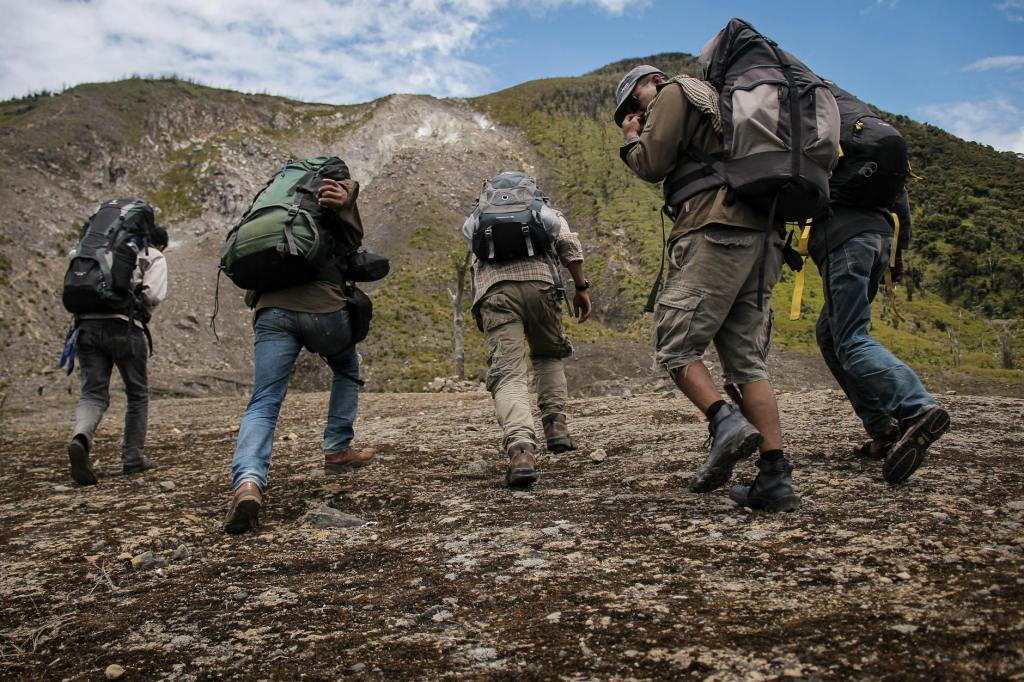
A 72-hour kit is a special adventure backpack (also known as a bug out bag) that helps keep you safe when unexpected things happen, like big storms or power outages. It’s filled with important stuff like water, snacks, flashlights, and band-aids—enough to last three whole days until things get back to normal. It’s kind of like packing for a camping trip, except this pack stays ready at home for when you might really need it!
Challenge: Build your 72-hour kit 32-week Plan ($10-20/week)
This 32-week plan is designed to be budget friendly and allow you to get your kit together at your pace. If there is an extra week in the month, add $10 to your kit.
Month 1: Basic Storage & Water
Week 1: 40L-45L backpack or duffel bag for your main kit ($40)
Week 2: Collapsible water containers you can fill if you have warning or if you have room to store water: water storage containers (2-3 gallon-sized containers, ~$20)
Week 3: Water to fill containers + basic water purification tablets ($5-10)
Week 4: Either stock supplies: 5-7 protein/energy bars + 2-3 canned food items with pull-tabs OR Meal Prep breakfasts at Meal in a Bag Prep ($10-15)
Month 2: Food & Basic Tools
Week 5: Either stock supplies: More non-perishable food items + manual can opener ($12-18) OR Meal Prep two lunches at Meal in a Bag Prep
Week 6: Either stock supplies: Plastic food storage container + 5 more food items ($10-15) OR Meal Prep two dinners at Meal in a Bag Prep
Week 7: Either stock supplies: Inexpensive mess kit or disposable utensils/plates + more food items ($10-15) OR Meal Prep one lunch and one dinner at Meal in a Bag Prep
Week 8: Multi-purpose tool OR basic tools (screwdriver, pliers) ($15-20)
Month 3: Light & Communication
Week 9: LED flashlight + extra batteries ($15-20)
Week 10: Small storage container for electronics + battery-operated radio ($15-20)
Week 11: Emergency whistle + local paper maps + small notebook and pencils ($10-15)
Week 12: Power bank/portable charger ($25)
Month 4: First Aid Basics
Week 13: Basic first aid kit and First aid manual or quick-reference guide ($10-15)
Week 14: Waterproof container for medications + adhesive bandages + antiseptic wipes ($10-15)
Week 15: Additional first aid supplies (gauze, medical tape, tweezers) Bleedstop can also be useful ($10-15)
Week 16: Over-the-counter medications: pain relievers, allergy medications, and antinausea or antidiarrhea ($15-20)
Month 5: Shelter & Protection
Week 17: Emergency blankets (Mylar “space blankets” are lightweight and effective) (1-2, depending on household size) ($5-10)
Week 18: Plastic sheeting + duct tape ($10-15)
Week 19: Work gloves + dust masks ($10-15)
Week 20: Poncho(s) or emergency shelter + small roll of rope ($10-15)
Month 6: Hygiene & Sanitation
Week 21: Personal hygiene kit (travel-sized toothpaste, toothbrushes, soap) ($10-15)
Week 22: Small toiletry bag + hand sanitizer + moist towelettes ($10-15)
Week 23: Toilet paper + zip-top bags + garbage bags ($10-15)
Week 24: Additional hygiene items (feminine products if needed, small towel) ($10-15)
Month 7: Documents & Final Essentials
Week 25: Waterproof/Fireproof document holder + copies of important documents ($10-15)
Week 26: Plastic zip-top bags for organization + cash in small denominations ($10-20)
Week 27: Catch up Week! Double check anything you’ve missed ($10-15)
Week 28: Check if anything is expired. Add more cash in small denominations ($10-20)
Month 8: Completion & Seasonal Items
Week 29: Waterproof matches + lighter (Fire starters may be useful too) + emergency candles ($10-15)
Week 30: Extra batteries + charging cables for your devices ($15-20)
Week 31: Change of underwear and socks for each person ($15-20)
Week 32: Final storage solutions – plastic bins if needed for home storage ($15-20)
Budget-Friendly Shopping Tips:
- Dollar stores: Great for hygiene items, basic first aid supplies, batteries
- Discount retailers: Check stores like Walmart, Target clearance sections
- Online deals: Look for sales on Amazon, especially for items like emergency blankets
- Thrift stores: Good option for backpacks, some tools, and clothing items
- Repurpose: Use containers you already have when possible
- Bulk splitting: Split bulk purchases with friends/family also building kits
Storage Organization Tips:
- Use zip-top bags to group similar items and keep them dry
- Label everything clearly with permanent marker
- Store items in your backpack/duffel as you acquire them
- For items that won’t fit in your main bag, keep a clearly labeled “emergency supplies” area in your home
Maintenance Calendar:
- Every 6 months: Check expiration dates on food and medications
- Annually: Replace stored water, check all batteries, update documents


 Prepare With Purpose